 No. 09
Ladakh
Shang Sumdo & UT Kangri
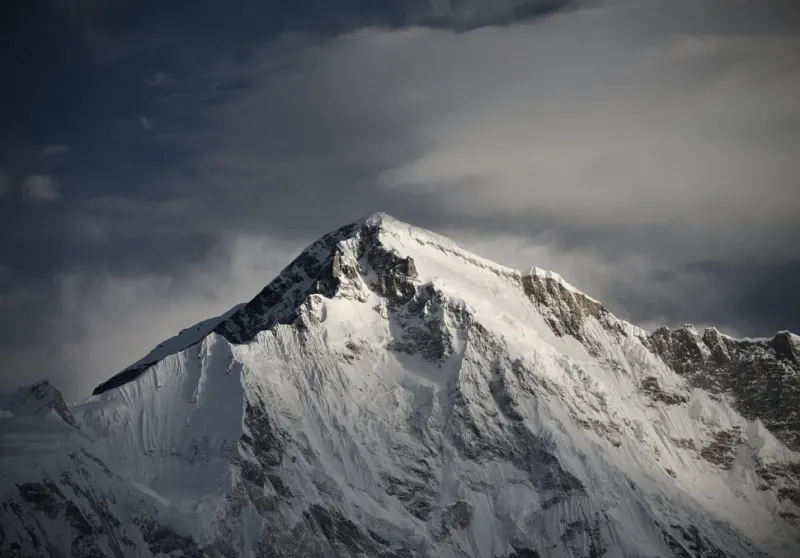
Walked first, climbed second: the end of the Markha Valley and a 6,070m summit.
Since 2024 · 2 visitsPDF
About Project Indus
An ongoing exploration of the Himalayas, one region at a time, and the notes we keep along the way.
Focus
The Himalayas
Pace
One region at a time
Company
Small groups
Output
Trip notes and field notes
Advice
Route Advice call
Project Indus is an ongoing exploration of the Himalayas. It studies one region at a time, travels with local guides, hosts and friends, and publishes what it learns as free trip notes and field notes. It offers planned small-group explorations (Zanskar and Spiti in 2027, Kangchenjunga and Upper Mustang in 2028) and Route Advice, a 30-minute call for USD 40, payable only after the call if you are satisfied and credited in full if you book. Fieldwork began in 2019 and covers nine regions, each visited more than once.
Our story
Project Indus began with a simple frustration: the Himalayas are described in a handful of famous routes, while the places in between are barely written about at all.
So we decided to go and look. We spend time in one region before moving to the next, travelling slowly and staying long enough to learn how a valley works: where the water comes from, who farms which terrace, which pass opens first in spring.
What we learn does not stay with us. Before each exploration we publish a trip note, a short guide to the region, the route in outline and the practicalities, available as a PDF. After each journey we write what we found as a field note.
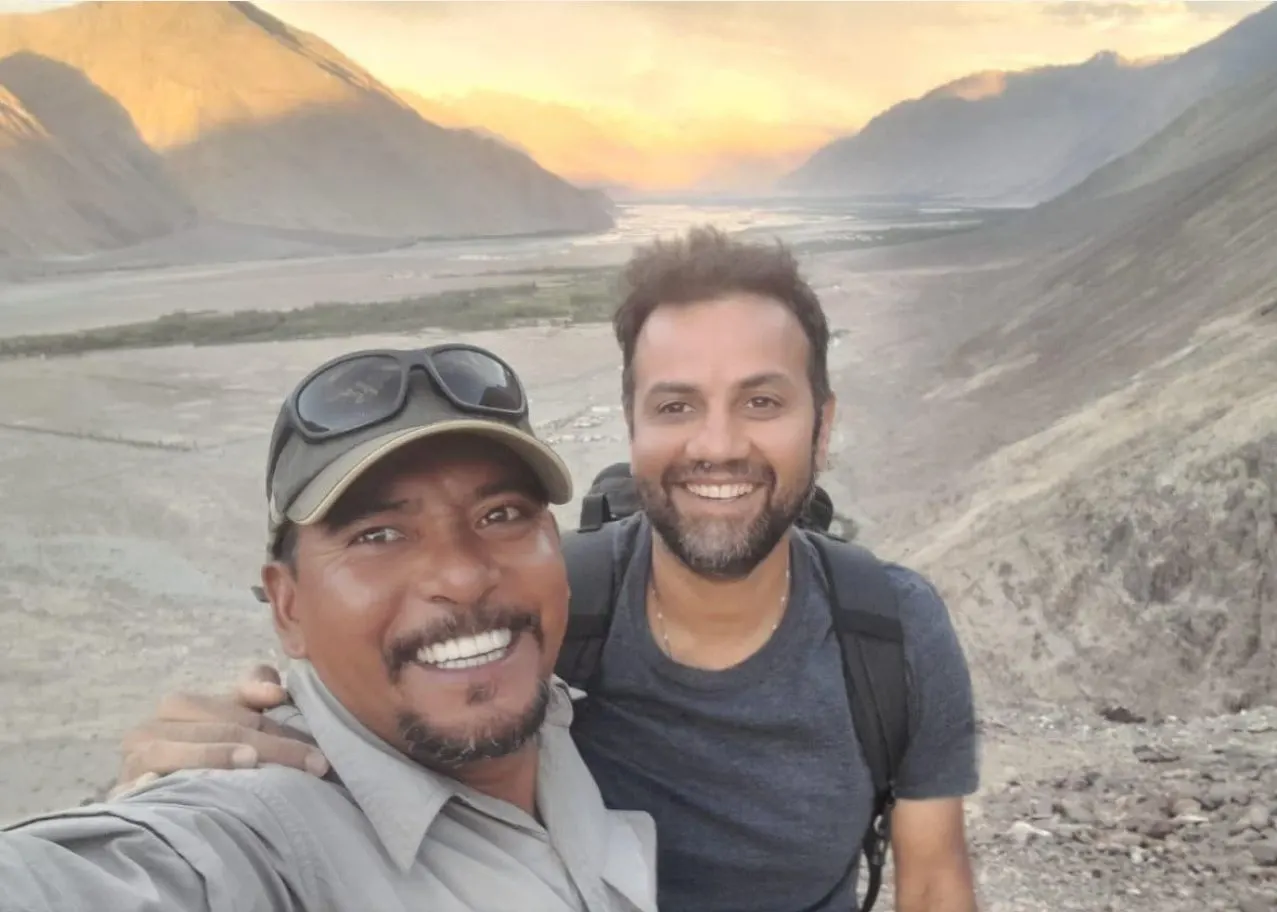
We would rather know one valley well than ten valleys briefly.
How we research
We return to a region across seasons, until the notes are worth sharing.
The first visit is for looking. The second is for checking what we thought we saw. By the third, the guides, hosts and herders are telling us what the guidebooks miss, and the notes start to say something useful. Every field note is revised after each return, and says when it was last walked.
Since 2019
of fieldwork
9 regions
each visited more than once
Revised
after every return
Where we are heading
Project Indus began as a way of recording what we found. It is becoming a community of people who want to know the Himalaya better.
We are starting small, and want to be honest about it. Today there are a few planned explorations, a library of field notes, and a short advice call to help you choose. Everything we write is free to read. Over time we hope to open a free community, and a small travel company that turns what we learn into journeys.
How we work
01
Time is the most useful thing we bring. Slow travel lets a place reveal itself on its own terms.
02
We pay attention to landscapes, villages, trails and the small details that make a corner of the mountains distinct.
03
Beyond the familiar routes, with the people who know them: guides, hosts and friends made along the way.
The people
Much of what we discover comes through local friends. They decide as much of the route as we do, and their knowledge is the reason these journeys exist.
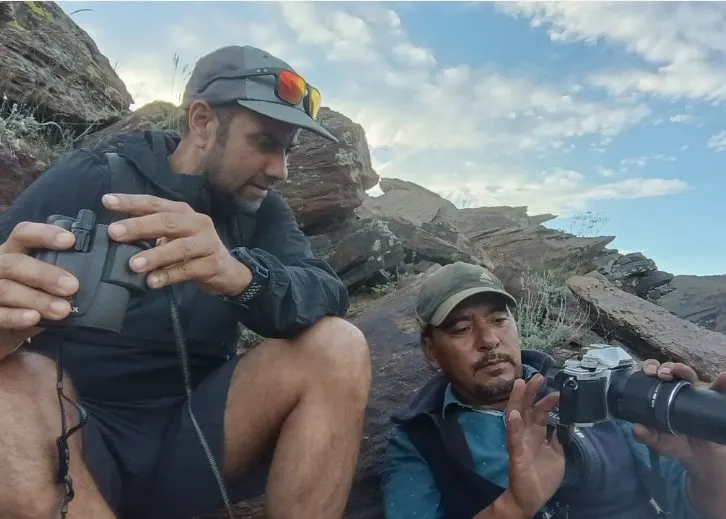
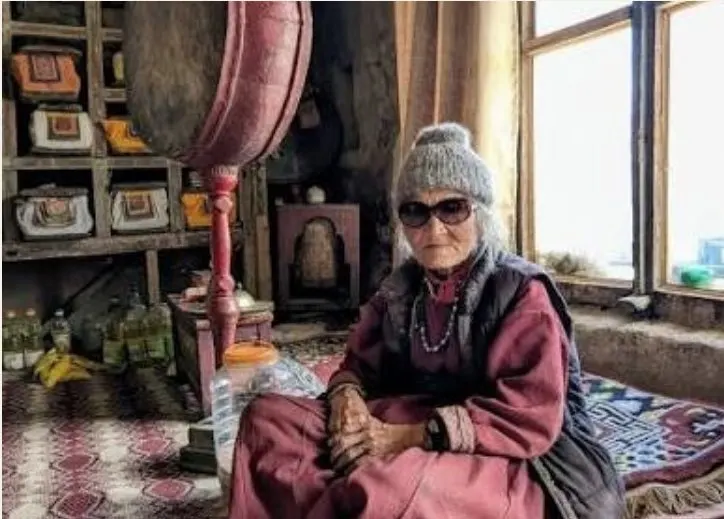
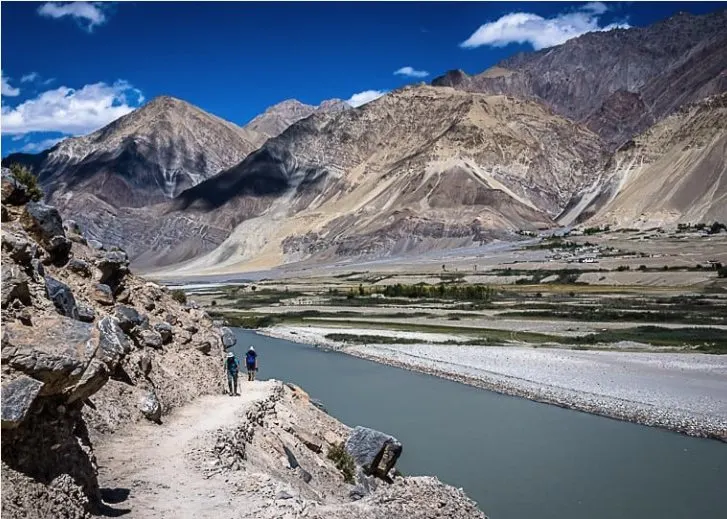
The best maps are drawn by the people who live there.
Our approach
Planning with us
a place, a season, a question
a 30-minute call, paid only after, if you are satisfied
we recommend, you decide
field notes written once we are back
Field notes
Each field note comes from repeated visits across seasons, long conversations with the people who live there, and a revision after every return. Free to read. The PDF is yours for an email address.
No. 09
Ladakh
Shang Sumdo & UT Kangri
Walked first, climbed second: the end of the Markha Valley and a 6,070m summit.
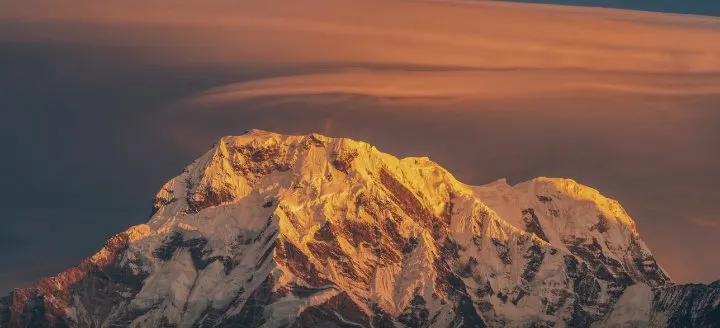 No. 08
Khumbu
Everest Exploratory I
A first route built around the fact that Everest is hidden from its own Base Camp.
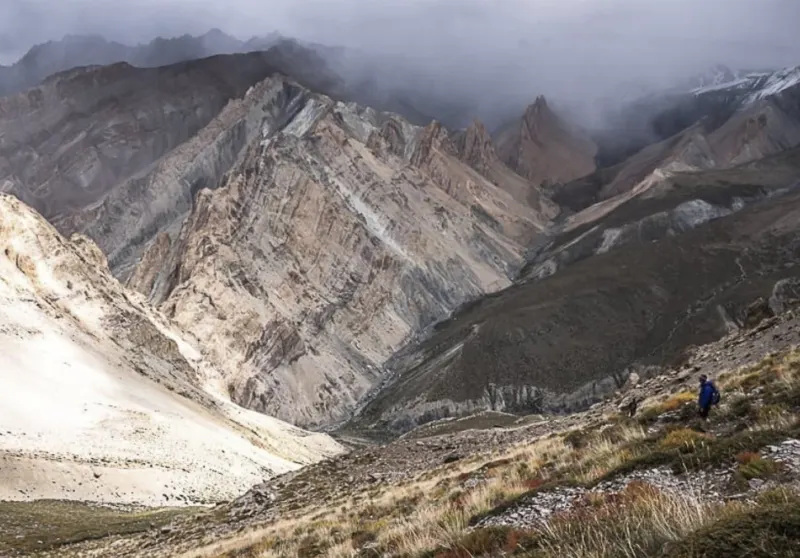 No. 07
Ladakh
Bagoling
A village that exists mostly by word of mouth.
No. 06
Kargil
Suru Valley
Nun Kun, Rangdum and a valley shaped by Islam rather than Buddhism.
Exploration: Zanskar, Summer 2027
Travel advice
Route Advice is a 30-minute call to help you choose between our explorations, or shape something of your own. USD 40, paid only after the call, if you are satisfied. Credited in full if you book.
Quick answers
Project Indus is a small project that travels with local guides, hosts and friends across the Himalaya, such as Thinless Konchok in Zanskar. Much of each route is decided by the people who live there.
Not in the traditional sense. Today it is a set of planned explorations, a library of field notes and a short advice call. Over time we hope to open a free community and a small travel company that turns what we learn into journeys.
A trip note comes before a journey: a free PDF with the exact route, day-by-day itinerary, altitudes and practicalities for one planned exploration. A field note comes after: a written guide to a region or route, revised after every return, free to read online with a PDF edition by email.
Anyone can join. Read the trip note for the exploration you like, then request a place. If you are not sure which journey fits, book Route Advice, a 30-minute call that costs USD 40, payable only after the call if you are satisfied and credited in full if you book.